

What a trademark is
A trademark can be any word, phrase, symbol, design, or a combination of these things that identifies your goods or services. “Trademark” is often used for both trademarks and service marks: a trademark covers goods, and a service mark covers services.
A trademark:
- Identifies the source of your goods or services
- Provides legal protection for your brand
- Helps guard against counterfeiting and fraud
What a trademark doesn’t do
- It doesn’t give you rights to a word or phrase in general, only to how it is used with your specific goods or services.
- It doesn’t automatically stop others from using a similar mark for unrelated goods or services.
- Without registration, your rights are limited to the geographic area where you provide your goods or services. Federal registration provides nationwide rights.
Merely descriptive marks are harder to protect than creative, unique ones.
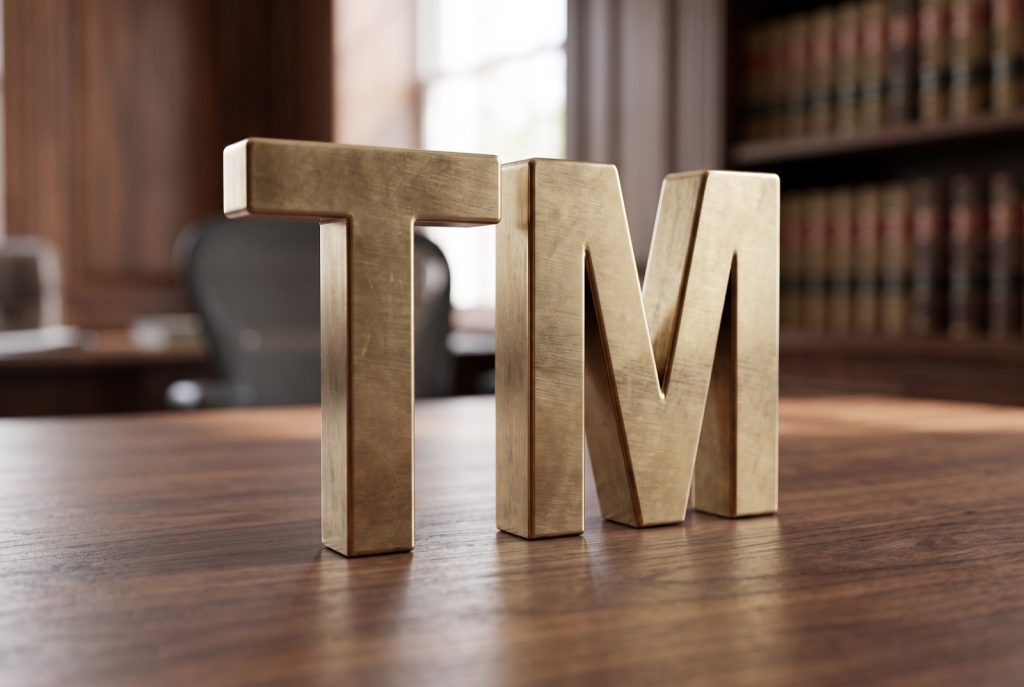
TM, SM and ®
You may use TM (for goods) or SM (for services) without filing an application. The ® symbol may be used only after federal registration, and only for the goods or services listed in that registration.
Trademark disputes
We help clients prosecute or defend trademark infringement claims and handle trademark litigation. See Other IPR Issues for infringement, unfair competition and domain name disputes.
Frequently asked questions
Do I need to register to use the TM symbol?
No. You may use TM or SM without filing an application. The ® symbol may be used only after federal registration.
What does federal registration add?
Without registration, rights are limited to the geographic area where you provide your goods or services. Federal registration provides nationwide rights.
Does a trademark give me rights to a word everywhere?
No. You have rights only to how the word or phrase is used with your specific goods or services, not to the word in general.
